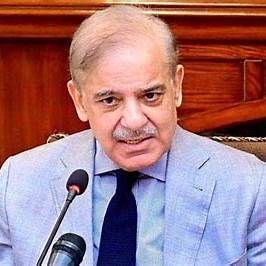
In the complex machinery of democratic governance, few roles are as influential and visible as that of the Prime Minister. Serving as the head of government in parliamentary systems, the Prime Minister (PM) is both a political leader and a public representative, navigating the challenges of policy-making, national leadership, and international diplomacy. As the political and administrative face of a country, the PM’s role is not only to govern but to inspire, to lead by example, and to embody the aspirations of the nation.
Defining the Prime Minister’s Role
In most parliamentary democracies, the Prime Minister is the leader of the majority party or coalition in the lower house of parliament. The role typically emerges from democratic elections, where the party with the most seats either forms the government alone or negotiates alliances to reach a governing majority. Unlike a president, whose power might be more ceremonial or separated from the legislature, the Prime Minister is intricately tied to parliamentary support and can be removed by a vote of no confidence.
The Prime Minister serves as the chief executive, responsible for setting government policy, directing the cabinet, and overseeing the implementation of laws and programs. Their authority often extends across economic planning, social reforms, defense strategy, and foreign relations. However, this power is balanced by the need to maintain support within parliament and the public, making the role one of both leadership and negotiation.
Key Responsibilities
- Policy Leadership: The Prime Minister spearheads the creation and execution of public policy. They work closely with cabinet ministers to identify national priorities, propose legislation, and ensure the government’s agenda is effectively pursued.
- Cabinet Oversight: As head of the cabinet, the PM coordinates between various ministries, ensuring cohesion and strategic alignment. They also play a crucial role in appointing ministers and determining the overall tone and direction of governance.
- Parliamentary Leadership: The PM must maintain the confidence of the legislature, often facing questions, debates, and scrutiny. Regular appearances in parliament to defend policies and answer queries are essential aspects of parliamentary democracy.
- National Representation: During times of national crisis—such as natural disasters, terrorist attacks, or pandemics—the Prime Minister becomes the primary voice of reassurance, guidance, and authority. Their communication can unify or divide the public, depending on their approach.
- Foreign Diplomacy: Representing the country on the global stage, the PM engages with other world leaders, negotiates trade agreements, attends international summits, and ensures the nation’s voice is heard in international forums.
Challenges of the Office
Despite its prestige, the office of the Prime Minister is laden with challenges. One of the most significant is balancing short-term political survival with long-term national interest. With the constant pressure of public opinion, media scrutiny, and party politics, PMs often walk a tightrope between bold decision-making and maintaining popularity.
Internal party dynamics can also be a major hurdle. Leadership struggles, factionalism, and differing ideological perspectives within the ruling party or coalition can complicate governance. Moreover, managing a diverse cabinet—often with ministers holding competing agendas—requires political acumen and strategic compromise.
Another enduring challenge is the increasing polarization in democratic societies. In an age of social media and instant communication, the Prime Minister’s every word and action are dissected and debated, sometimes creating divisions rather than unity. The rise of populism in many countries has added another layer of complexity, where emotional appeals sometimes overshadow evidence-based policymaking.
The Prime Minister’s Impact on Society
A capable and visionary Prime Minister can profoundly shape a nation’s trajectory. Through progressive reforms, economic strategies, and inclusive governance, they can drive development, foster national unity, and elevate the country’s international standing. For example, prime ministers who invest in education, healthcare, infrastructure, and technology can build resilient economies and empowered societies.
Conversely, ineffective leadership can lead to stagnation, corruption, or instability. History is filled with examples of both types of leadership, underscoring the critical importance of choosing leaders wisely in a democracy.
In a broader sense, the Prime Minister often becomes a symbol of national character. Their demeanor, values, and rhetoric influence public discourse and civic morale. A leader who listens, adapts, and communicates transparently builds trust and credibility, whereas one who alienates or manipulates can erode democratic foundations.
Looking Ahead: The Evolving Role
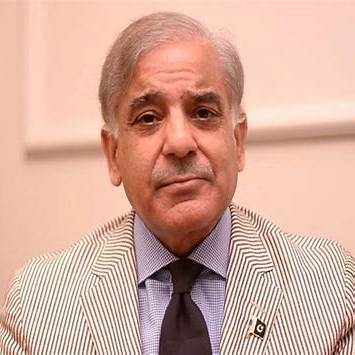
As the world faces unprecedented challenges—climate change, technological disruption, geopolitical tensions, and social inequality—the responsibilities of the Prime Minister are evolving. Today’s leaders must be globally minded, digitally literate, and ethically grounded. They must lead with empathy and vision, harnessing innovation while safeguarding democratic values.
In this evolving context, the Prime Minister is not merely a politician but a steward of the nation’s future. Their leadership must rise above partisanship, focusing instead on inclusive growth, sustainable development, and global cooperation.
Conclusion
The Prime Minister’s office is one of immense power, responsibility, and influence. It demands intellect, integrity, and resilience. While the challenges are many, so too are the opportunities to shape history and uplift society. In the end, a Prime Minister is judged not just by political victories, but by the lives improved, the institutions strengthened, and the legacy left behind.
Let me know if you’d like a version that focuses on a specific country, current Prime Minister, or a historical comparison, and I can adapt it accordingly.

 https://wordpress.com/home/zinblogs.com
Leave a reply to fiazjutt212gb Cancel reply