Understanding Saudi Arabia’s Visa System: Types, Application Process, and Recent Developments
Saudi Arabia, the largest country in the Middle East, has undergone significant changes in recent years, especially in terms of its visa policies. With the launch of Vision 2030—a strategic framework aimed at reducing the kingdom’s dependence on oil, diversifying its economy, and developing public service sectors—the country has opened its doors to tourists and international investors more than ever before. This has led to the introduction of new visa types and a more streamlined application process.
This article provides a comprehensive overview of the Saudi Arabian visa system, including the various types of visas, the application procedures, and recent policy changes that are attracting travelers, pilgrims, and business professionals from across the globe.
This visa is designed for professionals visiting Saudi Arabia for commercial purposes. It requires an invitation letter from a registered Saudi company. Business visas can be single or multiple entry and generally remain valid for up to one year, depending on the applicant’s nationality and purpose.
1. Types of Visas in Saudi Arabia
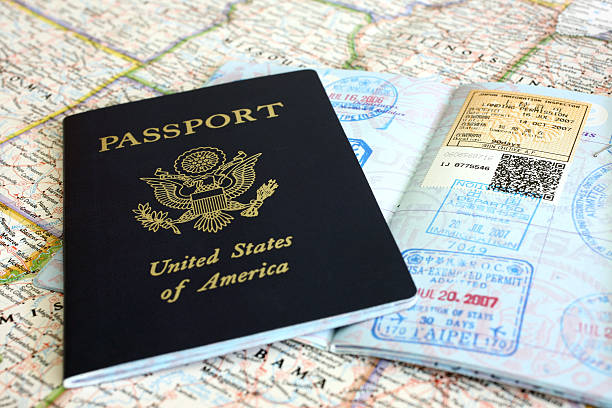
Saudi Arabia offers several types of visas based on the purpose of visit. These include:
a. Tourist Visa
Introduced in 2019, the tourist visa marked a major shift in Saudi policy. For the first time, individuals from over 50 countries could apply for a visa online or on arrival. The e-visa allows for multiple entries and is valid for one year, with each stay capped at 90 days. It covers tourism-related activities, including leisure travel and family visits.
b. Business Visa
c. Work Visa
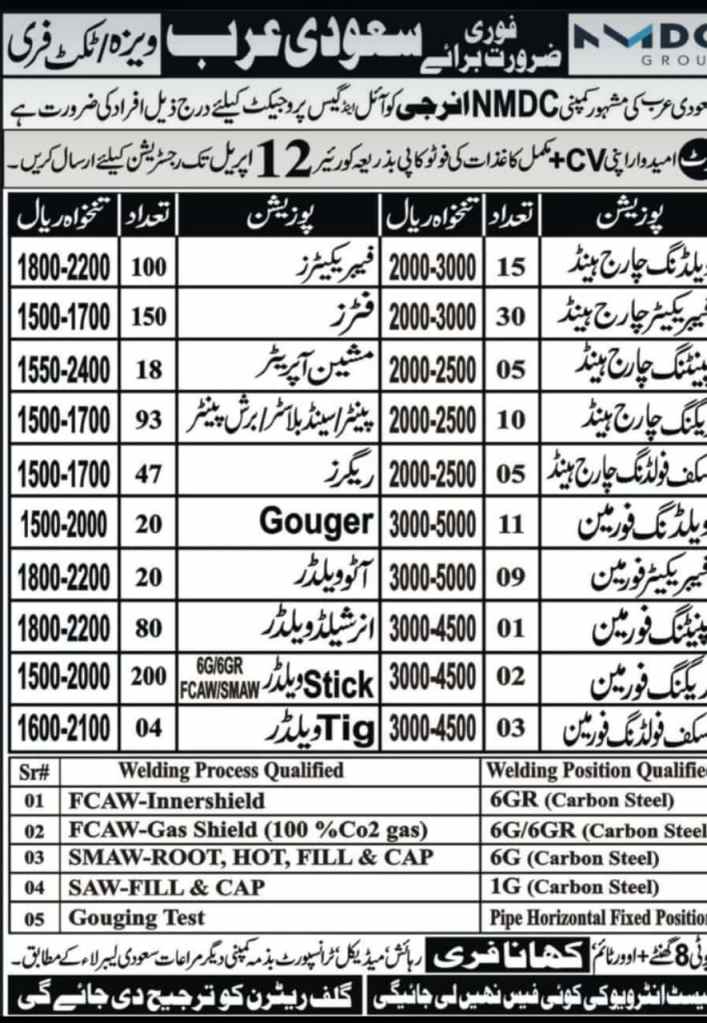
A work visa is necessary for foreign nationals who have secured employment in Saudi Arabia. It must be sponsored by a Saudi employer and involves a complex process including medical examinations, background checks, and document attestation. Once in Saudi Arabia, the visa holder must convert this to a residency permit or Iqama.
d. Umrah Visa
The Umrah visa allows Muslims to visit the holy cities of Makkah and Madinah outside of the Hajj season. It is valid for 30 days and can be obtained through approved travel agents or, in some cases, online.
e. Hajj Visa
Hajj visas are strictly regulated and are available only through official travel agents during the Hajj season. Quotas are applied per country to manage the number of pilgrims each year. This visa cannot be used for other purposes and is issued for a short duration.
f. Family Visit Visa
Saudi residents and citizens can invite immediate family members for a temporary stay under the family visit visa. It can be extended and is usually issued for a period of 30 to 90 days.
Respect local laws and customs, especially in religious and conservative areas.
Conclusion
2. Visa Application Process
The application process for a Saudi visa varies depending on the type of visa, but generally includes the following steps:
Online Application: Many visas, including tourist and business visas, can now be applied for through the official visa portal (https://visa.mofa.gov.sa) or the eVisa platform (https://visa.visitsaudi.com/).
Submission of Documents: Depending on the visa type, applicants must provide identification, passport-size photos, flight and accommodation details, and letters of invitation if applicable.
Payment of Fees: Visa fees vary by type and nationality. For example, a tourist e-visa typically costs around SAR 440 (~$117), which includes insurance.
Processing Time: Processing time can range from a few hours (for eVisas) to several weeks (for work or family visit visas).
Biometric Data: For work visas and residency permits, biometric data collection is mandatory, often completed at Visa Service Centers in the applicant’s home country.
3. Recent Changes and Initiatives
Saudi Arabia has implemented several initiatives to modernize its visa system and make the country more accessible:
a. Expansion of eVisa Eligibility
As of 2023, Saudi Arabia has expanded its eVisa program to include more countries. Citizens from the EU, the US, UK, and several Asian nations are eligible for eVisas or visas on arrival. In addition, holders of valid US, UK, or Schengen visas are now eligible for Saudi eVisas under certain conditions.
b. Introduction of Transit Visa
In early 2023, Saudi Arabia launched a free transit visa valid for 96 hours. This allows passengers flying through Saudi Arabian airports to enter the country temporarily for tourism or religious visits. It can be obtained through participating airlines.
c. Simplified Work Visa Process
The Ministry of Human Resources and Social Development has partnered with various digital platforms to streamline work visa issuance, reducing paperwork and improving processing times.
d. The “Visit Saudi” Campaign
To promote tourism, the government has launched international campaigns under “Visit Saudi,” which promote the country’s heritage sites, Red Sea resorts, and cultural festivals like Riyadh Season and Jeddah Season.

4. Key Tips for Applicants
Always check official sources before applying, as visa policies can change quickly.
Ensure your passport is valid for at least six months from the date of entry.
Use authorized agents for Hajj and Umrah visas to avoid fraud.
Carry travel insurance, as it is mandatory for most visas, particularly the tourist visa.
Saudi Arabia’s visa system is evolving rapidly as the country positions itself as a hub for tourism, business, and international cooperation. With digitalization and more flexible policies, traveling to Saudi Arabia is now more accessible than ever. Whether visiting for pilgrimage, business, or leisure, understanding the visa types and application process is crucial for a smooth and successful experience.
If you want this formatted for a website, newsletter, or something more specific like a blog post or brochure, I can tweak the style too. Want that?
Top of Form

 https://wordpress.com/home/zinblogs.com
Leave a comment