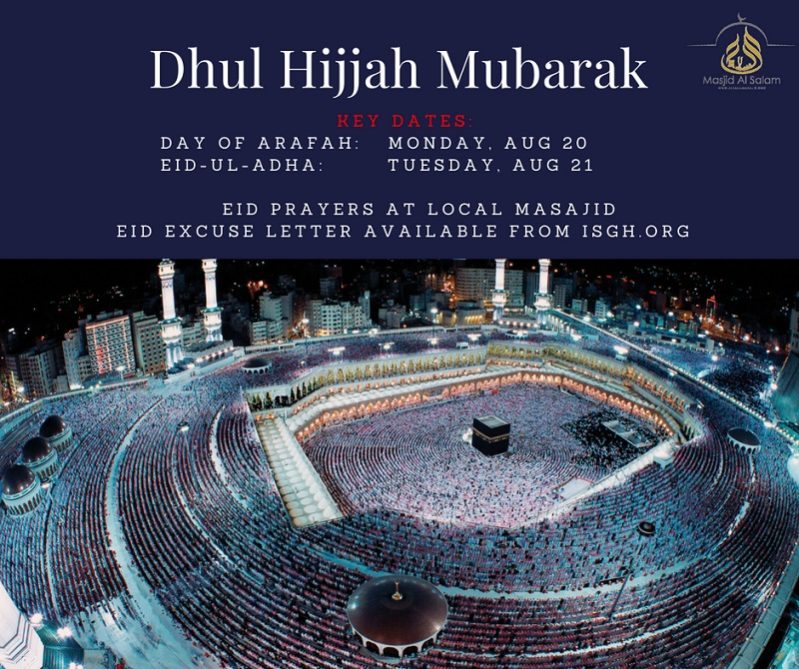
Dhul-Hijjah, the twelfth and final month of the Islamic lunar calendar, holds great spiritual and historical significance in the lives of Muslims around the world. It is one of the four sacred months in Islam in which warfare is traditionally prohibited, and acts of worship are multiplied in reward. Most notably, this is the month in which the Hajj pilgrimage takes place and when Muslims commemorate Eid al-Adha—the Festival of Sacrifice. The first ten days of Dhul-Hijjah are particularly blessed and considered among the best days of the year for worship, reflection, and devotion.
The Sacredness of Dhul-Hijjah
The name “Dhul-Hijjah” translates to “The Month of the Pilgrimage.” It is the only month in which the Hajj—one of the Five Pillars of Islam—can be performed. Allah mentions these months in the Qur’an, saying:
“Indeed, the number of months with Allah is twelve [lunar] months in the register of Allah from the day He created the heavens and the earth; of these, four are sacred.” (Surah At-Tawbah 9:36)
Among these sacred months, Dhul-Hijjah is unique because it hosts both the rites of Hajj and the festival of Eid al-Adha. The Prophet Muhammad (peace be upon him) also emphasized the importance of these days:
“There are no days in which righteous deeds are more beloved to Allah than these ten days.” (Bukhari)
The First Ten Days: A Time of Worship
The first ten days of Dhul-Hijjah are filled with opportunities for spiritual growth and reward. Scholars have likened their importance to the last ten nights of Ramadan. These days are recommended for various acts of worship, including:
- Fasting: Fasting on the first nine days, especially on the Day of Arafah (the 9th of Dhul-Hijjah), is highly virtuous. The Prophet (PBUH) said:
“Fasting on the Day of Arafah expiates the sins of the previous year and the coming year.” (Muslim) - Prayer and Remembrance: Increased performance of voluntary prayers (nawafil), dhikr (remembrance of Allah), and Qur’an recitation is encouraged. The Prophet urged believers to say “SubhanAllah,” “Alhamdulillah,” “La ilaha illAllah,” and “Allahu Akbar” frequently during these days.
- Charity and Good Deeds: Giving charity, helping others, visiting the sick, and acts of kindness earn multiplied rewards during this sacred time.
The Hajj Pilgrimage
Hajj is a once-in-a-lifetime obligation for Muslims who are physically and financially able to undertake it. It is performed during specific days of Dhul-Hijjah and includes several rituals, such as:
- Ihram: Entering a state of spiritual purity and wearing specific garments.
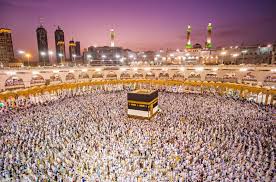
- Tawaf: Circling the Kaaba seven times.
- Sa’i: Walking between the hills of Safa and Marwah.
- Standing at Arafah: The most crucial ritual where pilgrims gather and pray on the plain of Arafah on the 9th of Dhul-Hijjah.
- Muzdalifah and Mina: Pilgrims spend the night in these locations and perform the symbolic stoning of the devil.
- Animal Sacrifice: Commemorating Prophet Ibrahim’s willingness to sacrifice his son, pilgrims sacrifice an animal.
Hajj is more than just a set of physical rites—it is a deeply transformative journey that symbolizes the submission to Allah, the unity of the Muslim Ummah, and the renewal of faith.
The Day of Arafah
The Day of Arafah, the 9th of Dhul-Hijjah, is considered the most important day of the Islamic year. For those performing Hajj, it is the pinnacle of the pilgrimage. For those not on pilgrimage, fasting on this day is highly recommended.
It was on this day that the Prophet Muhammad (PBUH) delivered his Farewell Sermon, a timeless message of human equality, justice, and faith. The sermon emphasized the sanctity of life, the importance of brotherhood, and the rights and responsibilities of every Muslim.
Eid al-Adha: The Festival of Sacrifice
On the 10th of Dhul-Hijjah, Muslims around the world celebrate Eid al-Adha. It commemorates the story of Prophet Ibrahim (Abraham) who, in obedience to Allah’s command, was willing to sacrifice his son Isma’il. Allah, in His mercy, replaced the child with a ram.
This act of sacrifice is remembered and honored through the Qurbani (animal sacrifice). Muslims who can afford to do so slaughter an animal—typically a goat, sheep, cow, or camel—and distribute the meat among family, friends, and the needy.
Eid al-Adha is not just a day of celebration, but a reminder of the values of submission, gratitude, and generosity. It begins with a special congregational prayer and sermon and is followed by communal gatherings, meals, and acts of charity.
Spiritual Lessons from Dhul-Hijjah
Dhul-Hijjah is more than rituals and celebrations; it carries deep spiritual lessons:
- Submission to God’s Will: The stories of Ibrahim, Isma’il, and Hajar teach unwavering trust and obedience to Allah.
- Unity and Equality: During Hajj, millions of Muslims of all races, nationalities, and cultures gather, dressed alike, worshipping the same God—emphasizing the brotherhood of Islam.
- Renewal of Faith: Whether through Hajj, fasting, or prayer, Dhul-Hijjah is a chance to renew one’s relationship with Allah and seek His mercy and forgiveness.
Conclusion
Dhul-Hijjah is a month of reflection, worship, and transformation. It reminds Muslims of the core values of their faith: sacrifice, patience, charity, and submission to Allah. Whether one is fortunate enough to perform Hajj or not, everyone can benefit from the blessings of these sacred days by engaging in acts of worship and striving to become better individuals.
As this blessed month approaches, let every believer prepare to make the most of its sacred moments and strive for closeness to Allah, earning His mercy and forgiveness.
Let me know if you want this article translated into Urdu or adapted for a speech, school magazine, or Islamic publication.
 https://wordpress.com/home/zinblogs.com
Leave a comment