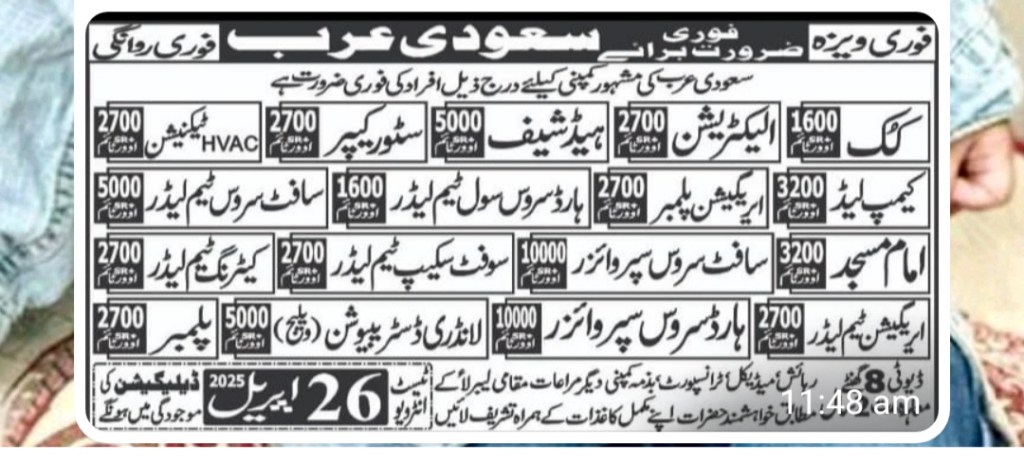
Saudi Arabia, one of the world’s most influential oil producers and a pivotal nation in the Middle East, is undergoing a period of dynamic transformation. Under the ambitious Vision 2030 plan initiated by Crown Prince Mohammed bin Salman, the Kingdom seeks to reduce its dependence on oil and build a more sustainable, diversified economy. While progress has been notable, several urgent needs still demand immediate and strategic attention for the Kingdom to achieve long-term stability and prosperity.
1. Economic Diversification Beyond Oil
At the heart of Saudi Arabia’s challenges lies its dependence on oil. Despite efforts to diversify, oil revenues still account for a significant portion of the national budget. Fluctuations in global oil prices expose the Kingdom to economic instability, as seen during the COVID-19 pandemic and other global disruptions. Vision 2030 outlines major economic diversification goals, including the development of non-oil industries such as tourism, entertainment, mining, and technology. The success of giga-projects like NEOM, The Red Sea Project, and Qiddiya is crucial—but they require continued investment, foreign partnerships, and a trained workforce to thrive.
Urgency: Without real progress in non-oil sectors, Saudi Arabia risks economic stagnation, especially as global efforts to reduce fossil fuel use gain momentum.
2. Youth Employment and Education Reform
Saudi Arabia has a young population—more than 60% of its citizens are under the age of 30. While this demographic trend offers immense potential, it also presents a serious challenge: unemployment. Youth unemployment in the Kingdom remains high, and creating meaningful, sustainable job opportunities is essential.
A key issue is the gap between education and job market needs. While many young Saudis are university graduates, employers often report a lack of skills relevant to modern industries. Investing in vocational training, digital education, and partnerships with the private sector is critical.
Urgency: If left unaddressed, youth unemployment can lead to social unrest and lost economic potential. It’s not just an economic issue but a national security priority.
3. Water Security and Resource Management
Saudi Arabia is one of the most water-scarce countries in the world. With no permanent rivers and minimal rainfall, the Kingdom relies heavily on expensive desalination plants to supply drinking water. This dependency, combined with rising demand due to population growth and urbanization, is straining resources.
Agricultural water use, though reduced over the past decade, still contributes to unsustainable groundwater depletion. New technologies and stricter water usage policies are essential, as is public awareness about water conservation.
Urgency: Without water security, all other development efforts—urban planning, agriculture, and even industrial growth—will be severely hampered.
4. Renewable Energy and Environmental Sustainability
Saudi Arabia has made bold commitments to environmental sustainability, including its target to reach net-zero emissions by 2060. The Kingdom possesses immense solar and wind potential, but current renewable energy production remains limited compared to its goals. Accelerating the development of clean energy infrastructure is essential—not just for environmental reasons but to preserve its fossil fuel exports while powering domestic growth.
Additionally, pollution, desertification, and climate change pose growing risks to Saudi Arabia’s ecosystems and cities. More urgent environmental policies and enforcement are needed to counteract these threats.
Urgency: Delay in implementing clean energy strategies will hinder Saudi Arabia’s global competitiveness and sustainability goals.
5. Healthcare System Modernization
Saudi Arabia has made significant strides in healthcare accessibility, but population growth, chronic diseases, and rising healthcare costs pose challenges. An urgent need exists for a more integrated healthcare system focused on prevention, digitization, and private-sector collaboration.
The COVID-19 pandemic highlighted both strengths and weaknesses in the system, underlining the importance of resilience, pandemic preparedness, and digital health solutions.
Urgency: A robust healthcare system is essential for long-term stability and to support a healthy, productive population.
6. Women’s Empowerment and Social Reform
Recent reforms have significantly expanded women’s rights in Saudi Arabia, including greater participation in the workforce and public life. However, more needs to be done to ensure equal opportunities, eliminate gender-based barriers, and foster inclusive development.
Women remain underrepresented in leadership positions, and legal reforms must continue to ensure protection, freedom, and access to education and employment.
Urgency: Empowering women is not only a matter of rights but also a powerful economic driver—gender parity could boost GDP and productivity.
7. Regional Stability and Foreign Relations
Saudi Arabia’s geopolitical position in the Middle East makes it a key player in regional stability. Ongoing tensions with neighboring countries, the conflict in Yemen, and complex relations with global powers require strategic diplomacy.
The Kingdom’s recent efforts to normalize ties with Iran and broker peace in regional conflicts are promising but need consistent follow-through.
Urgency: Without regional peace, economic development and foreign investment could face severe disruptions.
Conclusion
Saudi Arabia is at a critical juncture in its modern history. The nation has shown impressive ambition and vision, particularly through Vision 2030. Yet ambition must be matched with action. Addressing the urgent needs of economic diversification, youth employment, water and energy security, healthcare, women’s empowerment, and regional diplomacy is not optional—it is essential.
The choices Saudi Arabia makes today will shape the future of its economy, its people, and its place in the world for generations to come.
Would you like a version formatted for a publication or blog post, or translated into Arabic?
 https://wordpress.com/home/zinblogs.com
Leave a comment