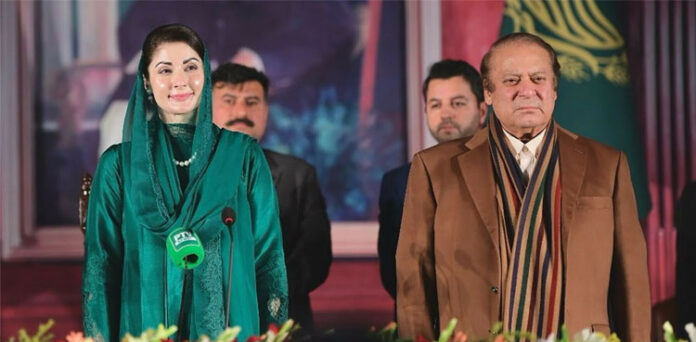
In Pakistan’s federal structure, power is not solely centralized in Islamabad; instead, it is distributed across provinces, each governed by its own legislative and executive leadership. At the helm of provincial executive authority stands the Chief Minister (CM) — the political leader who serves as the head of the government in each of Pakistan’s four provinces: Punjab, Sindh, Khyber Pakhtunkhwa (KP), and Balochistan. Much like a prime minister at the national level, the Chief Minister plays a vital role in the governance and development of their respective province.
Role and Responsibilities
The Chief Minister is the executive leader of a province, responsible for the implementation of laws, formulation of policies, and overseeing the provincial cabinet and bureaucracy. The position is equivalent to that of a state premier or governor in other federations. The CM is elected by the members of the provincial assembly and usually hails from the political party or coalition that commands a majority in the assembly.
Key responsibilities of the Chief Minister include:
- Leading the formulation and implementation of provincial policies and development plans.
- Appointing ministers to various provincial departments.
- Acting as the chief spokesperson and representative of the province.
- Managing law and order through oversight of provincial police and home departments.
- Coordinating with the federal government on matters of national interest or inter-provincial issues.
Eligibility and Tenure
To be eligible to become a Chief Minister, a person must:
- Be a citizen of Pakistan.
- Be a member of the provincial assembly.
- Be at least 25 years of age.
- Be of sound mind and not convicted of a crime involving moral turpitude.
Once elected, a CM serves a term of five years, unless the provincial assembly is dissolved earlier. They can seek re-election as long as they retain the confidence of the majority in the assembly.
Historical Context and Evolution
The role of the Chief Minister has evolved over the years since Pakistan’s independence in 1947. Initially, the provinces had limited autonomy, and governors played a more dominant role. However, with the passage of time — especially after the 18th Amendment to the Constitution of Pakistan in 2010 — the devolution of power significantly enhanced the authority and autonomy of the provinces, thereby elevating the importance of the Chief Minister’s role.
This amendment transferred substantial legislative and financial authority from the federal government to the provinces, making the CM a more influential figure in shaping local governance, health, education, and infrastructure.
Challenges Faced by Chief Ministers
Chief Ministers in Pakistan face a range of challenges that test their leadership and governance skills:
- Security and Law & Order: Provinces like KP and Balochistan face ongoing threats from militancy and sectarian violence. Ensuring safety and stability is a top priority for CMs.
- Inter-Provincial Coordination: Water distribution, energy sharing, and revenue allocation often lead to disputes among provinces. The Council of Common Interests (CCI) is the forum for resolving such issues, with CMs playing a central role.
- Public Health and Education: The responsibility for hospitals, schools, and universities lies primarily with provincial governments. Recent public health crises, such as dengue outbreaks or smog-related emergencies, have required quick and effective action by CMs.
- Natural Disasters and Climate Change: With Pakistan being highly vulnerable to climate-related disasters, CMs often lead provincial responses to floods, droughts, and pollution.
Recent Political Developments
The role of the Chief Minister has grown even more politically sensitive due to increasing polarization in Pakistan’s politics. In 2024, the arrest and subsequent legal battles of Imran Khan created a tense political atmosphere, with several CMs — particularly those from PTI — rallying for his release. This has occasionally brought provincial governments into conflict with federal authorities.
Maryam Nawaz’s proactive stance on environmental issues also signals a shift in how CMs can use their office to shape national and international discourse. Her call for climate talks with India is unprecedented in Pakistani politics, where cross-border dialogue is usually left to the federal level.
Conclusion
Chief Ministers of Pakistan play a crucial role in shaping the political, economic, and social trajectory of their provinces. With increasing devolution of powers and a growing emphasis on regional governance, the office of the CM has become one of the most powerful and visible in the country. As Pakistan continues to navigate complex domestic and regional challenges, the leadership of its Chief Ministers will remain pivotal in shaping a progressive and inclusive future for its citizens.
Current Chief Ministers (as of 2025)
Punjab: Maryam Nawaz Sharif
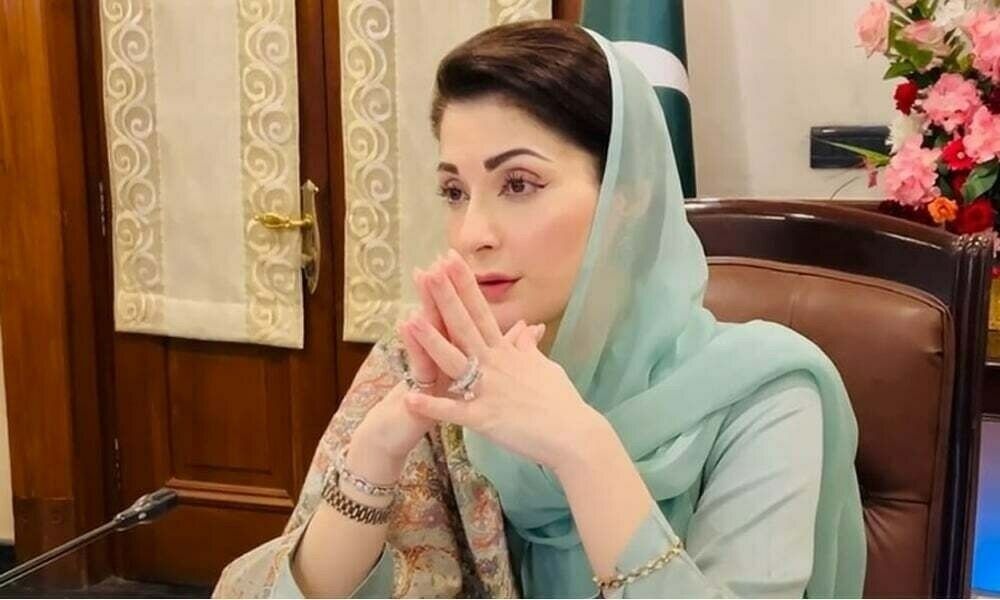
In a historic first, Maryam Nawaz Sharif, daughter of former Prime Minister Nawaz Sharif, became the first woman Chief Minister of Punjab after the 2024 general elections. Representing the Pakistan Muslim League-Nawaz (PML-N), her leadership marks a significant shift in a province known for its conservative political traditions. Maryam has focused on women’s empowerment, climate change, education reforms, and healthcare. She has also been vocal in advocating for regional climate diplomacy, especially with India, to address smog and air pollution.
Khyber Pakhtunkhwa: Ali Amin Gandapur
Ali Amin Gandapur, a senior leader of Pakistan Tehreek-e-Insaf (PTI), assumed office in March 2024. A polarizing figure known for his fiery rhetoric and strong base in southern KP, Gandapur’s tenure has been marked by efforts to improve law enforcement and boost the province’s tourism sector. However, his administration has also faced controversy, particularly in connection with political unrest and the legal troubles of PTI leadership, including terrorism charges against lawmakers involved in pro-Imran Khan rallies.
Sindh and Balochistan
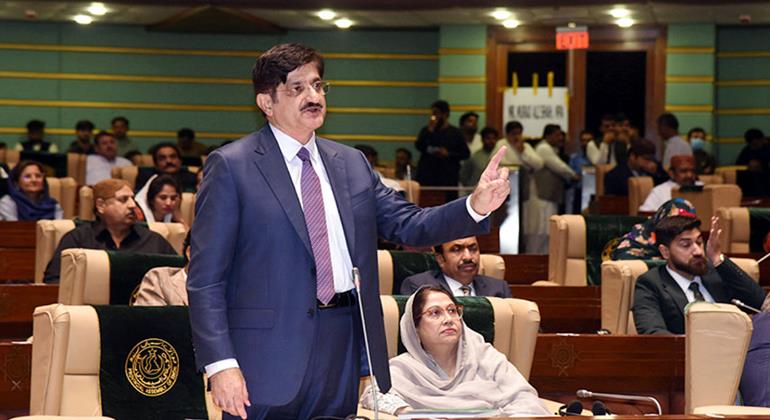
While the political landscape in Sindh remains dominated by the Pakistan Peoples Party (PPP), which has historically held power in the province, the identity of the current CM as of April 2025 has not been publicly confirmed. Similarly, in Balochistan, where coalition politics and tribal affiliations play a strong role, the political situation remains fluid with shifting alliances and power-sharing arrangements.
 https://wordpress.com/home/zinblogs.com
Leave a comment